Introduction: The Crucial Role of Hit Frequency in Slot Analytics

For industry analysts operating within the competitive landscape of online gambling, particularly in Switzerland, a nuanced understanding of slot machine mechanics is paramount. Among the myriad metrics influencing player engagement and operator profitability, “Hit Frequency” (or “Gewinnhäufigkeit” in German-speaking regions) stands out as a critical, yet often misunderstood, indicator. This metric, representing the statistical likelihood of a winning combination occurring on a slot machine spin, directly impacts player perception, session longevity, and ultimately, the financial performance of an iGaming platform. For a deeper dive into the operational frameworks of established online casinos in the Swiss market, including their commitment to responsible gaming and transparent practices, analysts might find value in exploring resources such as those provided by https://interwettencasino.ch/uber-uns. A thorough analysis of Hit Frequency is not merely an academic exercise; it is a strategic imperative for optimizing game portfolios, refining marketing strategies, and ensuring sustainable growth in a regulated market.

Understanding Hit Frequency Gewinnhäufigkeit Slots

Defining Hit Frequency

Hit Frequency, in the context of slot machines, refers to the percentage of spins that result in a winning outcome, regardless of the payout amount. It is a statistical measure derived from the game’s mathematical model, specifically the probability of various symbol combinations aligning on the reels. Unlike Return to Player (RTP), which indicates the long-term percentage of wagered money returned to players, Hit Frequency focuses solely on the occurrence of wins. A slot with a 25% Hit Frequency, for example, would statistically deliver a winning combination on one out of every four spins.

Distinction from Return to Player (RTP)

It is crucial for analysts to differentiate Hit Frequency from RTP. While both are integral to a slot’s mathematical profile, they serve distinct purposes. RTP is a measure of long-term payout efficiency, typically ranging from 90% to 98% in modern online slots. A high RTP generally signifies better value for the player over an extended period. Conversely, Hit Frequency dictates the player’s immediate experience. A high Hit Frequency often correlates with more frequent, albeit smaller, wins, contributing to a sense of regular engagement. A low Hit Frequency, on the other hand, might be associated with higher volatility slots that offer fewer wins, but with the potential for significantly larger payouts.

Factors Influencing Hit Frequency

Several design elements contribute to a slot machine’s Hit Frequency:

Strategic Implications for Industry Analysts

Player Engagement and Retention

For Swiss iGaming operators, understanding Hit Frequency is vital for optimizing player engagement. Slots with higher Hit Frequencies tend to provide a more consistent “drip feed” of small wins, which can be highly appealing to casual players or those seeking extended playtime without significant bankroll fluctuations. This constant feedback loop of small wins can foster a sense of progress and enjoyment, contributing to higher player retention rates. Conversely, slots with lower Hit Frequencies, while potentially offering life-changing jackpots, might alienate players who prefer more frequent positive reinforcement. Analysts must assess the target demographic for each game and align its Hit Frequency profile accordingly.

Game Portfolio Management

A well-balanced game portfolio should cater to a diverse range of player preferences. Analysts should leverage Hit Frequency data to ensure a healthy mix of high-frequency (low-volatility) and low-frequency (high-volatility) slots. This strategic diversification allows operators to attract and retain different player segments. For instance, a new player might be introduced to the platform through a high-Hit Frequency game, building confidence and familiarity, before potentially transitioning to higher-volatility options. Regular analysis of player behavior in relation to Hit Frequency can inform decisions on game procurement, promotion, and retirement.

Marketing and Promotional Strategies

Hit Frequency can be a powerful tool in marketing. Promoting slots with high Hit Frequencies can attract players looking for more regular wins and extended entertainment. Conversely, highlighting the potential for massive payouts in low-Hit Frequency, high-volatility games can appeal to thrill-seekers. Analysts should guide marketing teams in crafting messaging that accurately reflects the game’s statistical profile, managing player expectations, and avoiding misrepresentation. Transparent communication about a game’s characteristics, including its Hit Frequency, builds trust and contributes to responsible gaming practices.

Risk Management and Responsible Gaming

From a responsible gaming perspective, Hit Frequency plays a subtle but important role. While not directly linked to problem gambling, the psychological impact of frequent wins (even small ones) can influence player behavior. Analysts should monitor player activity on high-Hit Frequency games to identify any patterns that might indicate excessive play. Understanding how different Hit Frequencies influence player session lengths and expenditure can inform the development of more effective responsible gaming tools and interventions.

Competitive Analysis and Market Positioning

In the competitive Swiss iGaming market, understanding the Hit Frequency profiles of competitor offerings is crucial. Analysts can benchmark their own game portfolio against industry standards and competitor successes. Identifying gaps in the market for specific Hit Frequency profiles can inform product development and acquisition strategies. For example, if competitors are heavily focused on high-volatility games, there might be an opportunity to capture a segment of players seeking more frequent, albeit smaller, wins.

Conclusion: Strategic Imperatives for Swiss iGaming Success

Hit Frequency, or Gewinnhäufigkeit, is far more than a mere statistical curiosity for industry analysts in the Swiss iGaming sector. It is a foundational metric that profoundly influences player experience, engagement, and ultimately, an operator’s commercial success. By meticulously analyzing and strategically deploying games with varying Hit Frequencies, operators can craft a more appealing and sustainable product offering.Practical recommendations for analysts include:

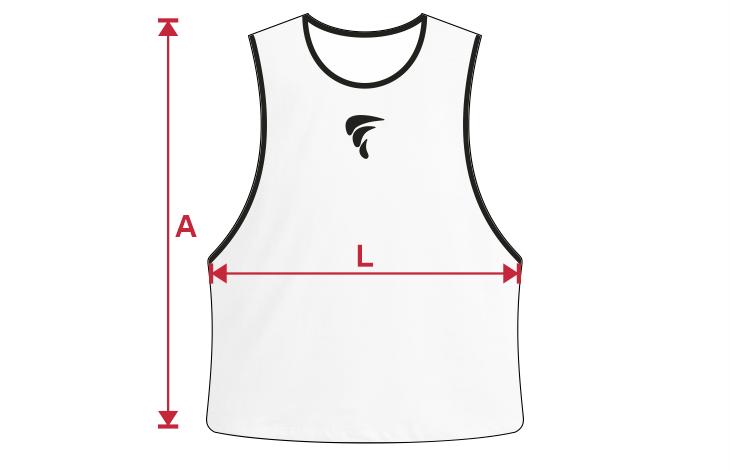
Guia de Tamanhos Colete

Modelagem Colete Futebol

Colete Futebol
Tamanho
Comprimento (A)
Largura Peitoral (L)
4A
43
34
6A
46
36
8A
48
39
10A
52
42
12A
58
44
P
63
47
M
66
50
G
69
54
GG
73
55
1XG
76
58
2XG
79
60
3XG
82
62

*As medidas podem variar até 2cm para mais ou para menos, escolha o tamanho ideal comparando as medidas da nossa tabela com as medidas de uma roupa de quem irá usar.

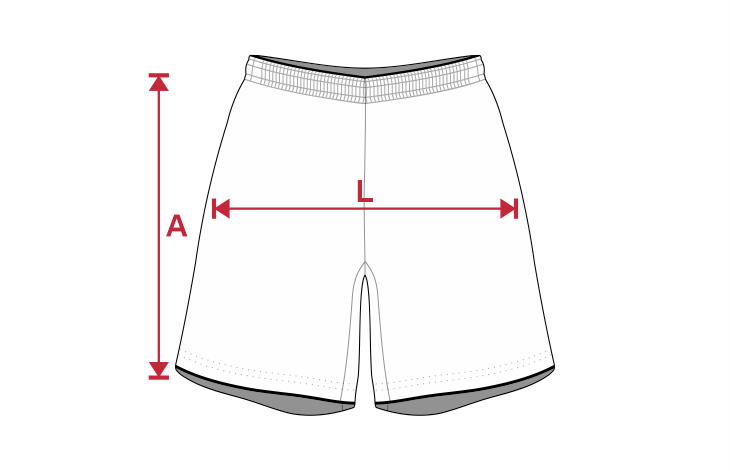
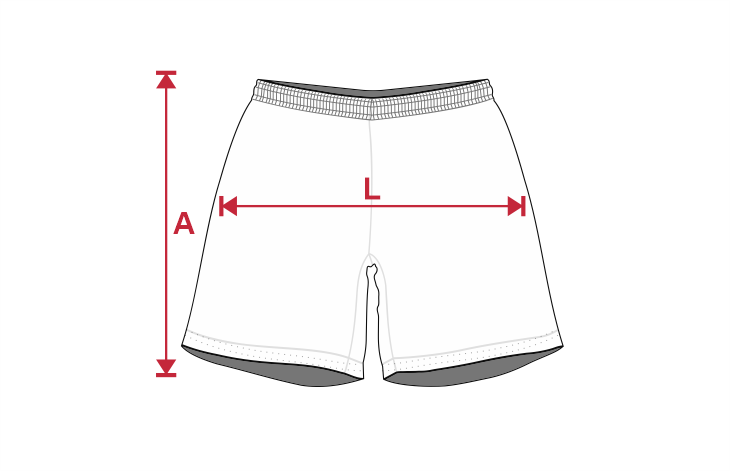
Guia de Tamanhos Short Basquete

Modelagem Short Basquete

Short Basquete Masculino
Tamanho
Comprimento (A)
Largura Peitoral (L)
12A
47
48
P
51
52
M
52
54
G
54
56
GG
56
60

*As medidas podem variar até 2cm para mais ou para menos, escolha o tamanho ideal comparando as medidas da nossa tabela com as medidas de uma roupa de quem irá usar.

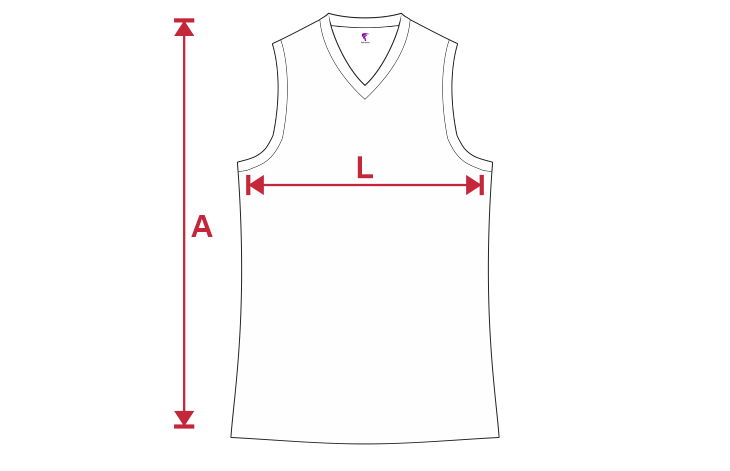
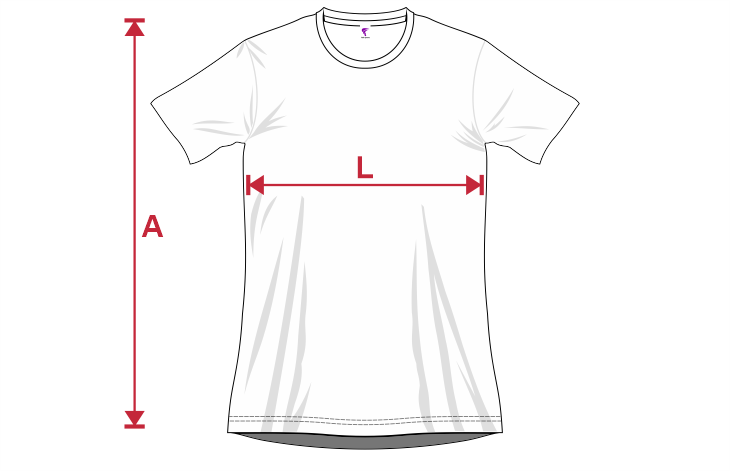
Guia de Tamanhos Camisa Basquete

Modelagem Camisa Basquete

Camiseta Basquete Masculino
Tamanho
Comprimento (A)
Largura Peitoral (L)
2A
48
32
4A
52
34
6A
60
37
8A
63
42
10A
67
45
12A
72
47
P
77
49
M
79
53
G
82
82
GG
84
57
1XG
86
58
2XG
88
60
3XG
90
61
4XG
92
63

*As medidas podem variar até 2cm para mais ou para menos, escolha o tamanho ideal comparando as medidas da nossa tabela com as medidas de uma roupa de quem irá usar.

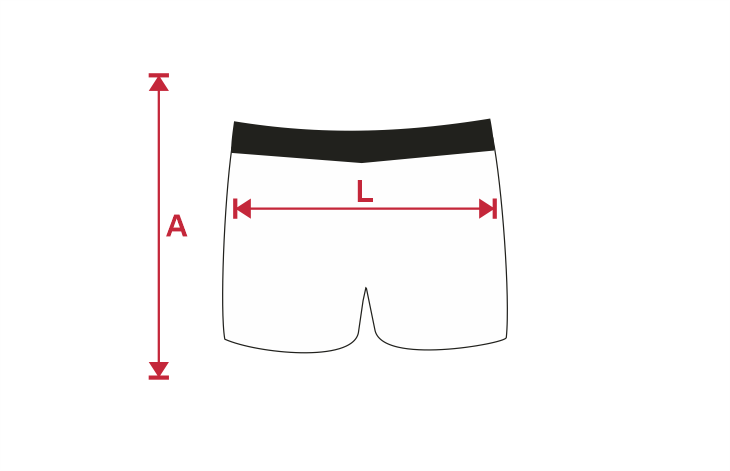
Guia de Tamanhos Short Suplex Feminino

Modelagem Short Suplex Feminino

Short Feminino Suplex
Tamanho
Comprimento (A)
Largura Peitoral (L)
4A
22
26
6A
23
28
8A
24
31
10A
25
33
12A
27
35
P
29
38
M
31
41
G
33
43
GG
34
45
1XG
36
47

*As medidas podem variar até 2cm para mais ou para menos, escolha o tamanho ideal comparando as medidas da nossa tabela com as medidas de uma roupa de quem irá usar.

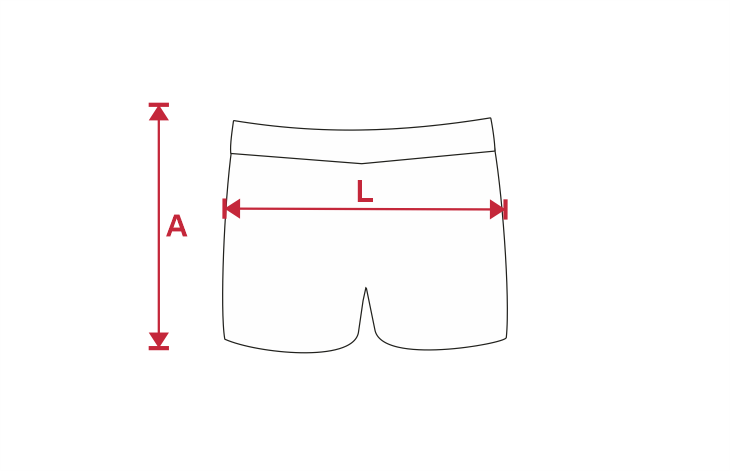
Guia de Tamanhos Short Feminino

Modelagem Short Feminino

Short Feminino
Tamanho
Comprimento (A)
Largura Peitoral (L)
2A
23
33
4A
26
36
6A
28
39
8A
30
42
10A
32
45
12A
33
48
P
34
51
M
36
54
G
38
57
GG
39
60
1XG
40
63
2XG
41
66
3XG
42
69
4XG
43
72

*As medidas podem variar até 2cm para mais ou para menos, escolha o tamanho ideal comparando as medidas da nossa tabela com as medidas de uma roupa de quem irá usar.

Guia de Tamanhos Short Masculino

Modelagem Short Masculino

Short Masculino
Tamanho
Comprimento (A)
Largura Peitoral (L)
2A
23
33
4A
26
36
6A
28
39
8A
30
42
10A
32
45
12A
33
48
P
34
51
M
36
54
G
38
57
GG
39
60
1XG
40
63
2XG
41
66
3XG
42
69
4XG
43
72

*As medidas podem variar até 2cm para mais ou para menos, escolha o tamanho ideal comparando as medidas da nossa tabela com as medidas de uma roupa de quem irá usar.

Guia de Tamanhos Camisa

Modelagem Camisa Unissex

Camisa Unisex
Tamanho
Comprimento (A)
Largura Peitoral (L)
2A
32
41
4A
45
34
6A
50
37
8A
54
40
10A
58
43
12A
53
46
P
66
49
M
71
51
G
75
53
GG
78
56
1XG
81
58
2XG
83
61
3XG
86
64
4XG
89
71

*As medidas podem variar até 2cm para mais ou para menos, escolha o tamanho ideal comparando as medidas da nossa tabela com as medidas de uma roupa de quem irá usar.